%20%20--%3E%0A%3Csvg%20version%3D%221.1%22%20id%3D%22Layer_1%22%20xmlns%3D%22http%3A%2F%2Fwww.w3.org%2F2000%2Fsvg%22%20xmlns%3Axlink%3D%22http%3A%2F%2Fwww.w3.org%2F1999%2Fxlink%22%20x%3D%220px%22%20y%3D%220px%22%0A%09%20viewBox%3D%220%200%20684.6%2068.1%22%20style%3D%22enable-background%3Anew%200%200%20684.6%2068.1%3B%22%20xml%3Aspace%3D%22preserve%22%3E%0A%3Cg%3E%0A%09%3Cpath%20d%3D%22M444.1%2C29.3h-17.4v14.5h17.4V29.3z%20M36.4%2C68.1l29.3-50.8V0H50.4L32.9%2C36.8L15.5%2C0H0v68.1h16.7V45.8l12.4%2C22.3H36.4z%0A%09%09%20M49.1%2C68.1h16.6V23.4L49.1%2C52.1V68.1z%20M76.6%2C68.1h45V53.8H93.3V41.6h21V27.1h-21V14.8h28.3V0.1h-45V68.1z%20M175.6%2C68.1h17.3v-68%0A%09%09h-16.5v40.3L150%2C0.1h-17.6v68h16.7V27.7L175.6%2C68.1z%20M235.8%2C14.8h15.4V0.1h-47.4v14.7H219v53.2h16.8V14.8z%20M290.3%2C45.9h-17.1%0A%09%09l7.5-15.6h2L290.3%2C45.9z%20M298.7%2C68.1h18l-32.2-68h-5.7l-32%2C68h18l3.3-7.1h27.1L298.7%2C68.1z%20M325.2%2C68.1h46.2V53.8h-29.6V0.1h-16.7%0A%09%09V68.1z%20M423.7%2C14.8h27.2V0.1H407v68h16.7V14.8z%20M462%2C68.1h46.2V53.8h-29.6V0.1H462V68.1z%20M564.8%2C34.1c0%2C10.7-7.2%2C19.2-18.5%2C19.2%0A%09%09c-11.4%2C0-18.5-8.5-18.5-19.2s7.1-19.2%2C18.5-19.2C557.6%2C14.9%2C564.8%2C23.4%2C564.8%2C34.1%20M580.6%2C34.1c0-19-14.2-34-34.3-34%0A%09%09c-20.2%2C0-34.3%2C15-34.3%2C34c0%2C19%2C14.1%2C34%2C34.3%2C34C566.4%2C68.1%2C580.6%2C53.1%2C580.6%2C34.1%20M604.8%2C20.5c0-4.1%2C3.3-6.2%2C6.7-6.2%0A%09%09c4.4%2C0%2C6.6%2C3%2C6.6%2C6.6h14.7C631.8%2C9.1%2C625.1%2C0.1%2C611%2C0.1c-12%2C0-21.7%2C9.3-21.7%2C20.6c0%2C10.9%2C5.9%2C15.9%2C16.7%2C19.8%0A%09%09c5.2%2C1.8%2C11.5%2C3.2%2C11.5%2C8c0%2C3.3-2.4%2C5.5-6.4%2C5.5c-3.6%2C0-6.6-3-6.6-6.7h-15.2c0%2C11.5%2C7.9%2C20.8%2C21.8%2C20.8c12%2C0%2C21.6-9.3%2C21.6-20.6%0A%09%09c0-10-5.3-16.4-16.7-19.8C610.6%2C26.1%2C604.8%2C25.3%2C604.8%2C20.5%20M670%2C20.9h14.7C683.8%2C9.1%2C677.1%2C0.1%2C663%2C0.1c-12%2C0-21.7%2C9.3-21.7%2C20.6%0A%09%09c0%2C10.9%2C5.9%2C15.9%2C16.7%2C19.8c5.2%2C1.8%2C11.5%2C3.2%2C11.5%2C8c0%2C3.3-2.4%2C5.5-6.4%2C5.5c-3.6%2C0-6.6-3-6.6-6.7h-15.2c0%2C11.5%2C7.9%2C20.8%2C21.8%2C20.8%0A%09%09c12%2C0%2C21.6-9.3%2C21.6-20.6c0-10-5.3-16.4-16.7-19.8c-5.4-1.6-11.3-2.4-11.3-7.2c0-4.1%2C3.3-6.2%2C6.7-6.2C667.7%2C14.4%2C670%2C17.3%2C670%2C20.9%0A%09%09%22%2F%3E%0A%3C%2Fg%3E%0A%3C%2Fsvg%3E%0A)

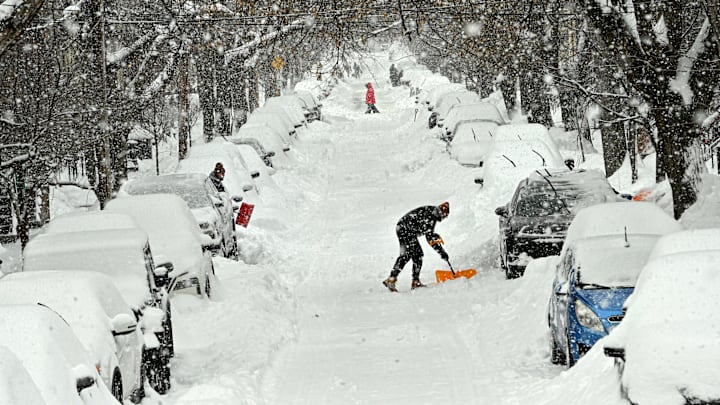
A sudden winter snow squall can completely turn your day around.
One moment, you’re watching the snow fall out the window, wishing for enough accumulation to go sledding; the next, you’re racing to the store for supplies, hoping the power stays on and the roads remain safe. All at once, you’re searching phrases like “emergency” and “warning,” and find yourself reading about snow squalls because the weatherman just told you to expect one.
Several areas across the U.S. have now officially reached this stage of winter.
What is a snow squall? How does it differ from a snowstorm? What is a snow squall warning? How can you prepare for this dangerous winter weather event? The answers to these questions are hidden beneath a blanket of snow. Let’s grab our shovels and uncover everything we need to know to stay safe and prepared.
WHAT IS A SNOW SQUALL?

According to the National Weather Service, a snow squall, by definition, is an "extremely intense" cold front that comes on rapidly, causing white-out conditions, gusty winds, and falling temperatures. Within minutes, roads can become slick with ice, making travel treacherous and leading to a spike in accidents.
What makes a squall even more unprecedented is that it doesn't always trail a snowstorm. They begin in a flash, dumping significant snow and ice and making it instantly hazardous to even step outside.
SNOW SQUALL VS. SNOW STORM
The primary difference between a snow squall and a snowstorm is how long they last.
A snowstorm, as many know, can stick around for days, even weeks, while a snow squall is very short-lived. When a snowstorm is approaching, we tend to stockpile food and ready ourselves for cancelled plans and extended time indoors.
A snow squall can be just as intense, but it only lasts 30 minutes to an hour. Should this winter hazard impact your area, focus less on hoarding supplies and more on sheltering indoors and staying off the roads until conditions improve.
SNOW SQUALL WARNING
The National Weather Service compares a snow squall warning to tornado and severe thunderstorm warnings because they’re all short-lived and localized. Paying attention to a snow squall warning gives you the critical information needed to stay safe when your community is at risk.
You might see a snow squall warning on the news or receive an alert on your phone when one is forecasted. If the warning message is without a tag, that’s your cue to prepare for potential squall conditions. A “significant” tag signals a major travel threat in your area. “Radar indicated” means meteorologists have detected conditions favorable for a squall, while “observed” confirms that visibility is limited and conditions are present.
HOW TO PREPARE
When a snow squall warning is announced for your area, it’s best to avoid travel at all costs and remain indoors until conditions improve. If you’re caught on the road and can’t reach home safely before the squall hits, slow down, use your hazard lights and headlights, and leave space between your vehicle and the vehicle ahead.
Refrain from hitting the brakes abruptly. Snow squalls lead to rapid ice formation on roads, and braking at the last minute can cause multi-car pile-ups.