%20%20--%3E%0A%3Csvg%20version%3D%221.1%22%20id%3D%22Layer_1%22%20xmlns%3D%22http%3A%2F%2Fwww.w3.org%2F2000%2Fsvg%22%20xmlns%3Axlink%3D%22http%3A%2F%2Fwww.w3.org%2F1999%2Fxlink%22%20x%3D%220px%22%20y%3D%220px%22%0A%09%20viewBox%3D%220%200%20684.6%2068.1%22%20style%3D%22enable-background%3Anew%200%200%20684.6%2068.1%3B%22%20xml%3Aspace%3D%22preserve%22%3E%0A%3Cg%3E%0A%09%3Cpath%20d%3D%22M444.1%2C29.3h-17.4v14.5h17.4V29.3z%20M36.4%2C68.1l29.3-50.8V0H50.4L32.9%2C36.8L15.5%2C0H0v68.1h16.7V45.8l12.4%2C22.3H36.4z%0A%09%09%20M49.1%2C68.1h16.6V23.4L49.1%2C52.1V68.1z%20M76.6%2C68.1h45V53.8H93.3V41.6h21V27.1h-21V14.8h28.3V0.1h-45V68.1z%20M175.6%2C68.1h17.3v-68%0A%09%09h-16.5v40.3L150%2C0.1h-17.6v68h16.7V27.7L175.6%2C68.1z%20M235.8%2C14.8h15.4V0.1h-47.4v14.7H219v53.2h16.8V14.8z%20M290.3%2C45.9h-17.1%0A%09%09l7.5-15.6h2L290.3%2C45.9z%20M298.7%2C68.1h18l-32.2-68h-5.7l-32%2C68h18l3.3-7.1h27.1L298.7%2C68.1z%20M325.2%2C68.1h46.2V53.8h-29.6V0.1h-16.7%0A%09%09V68.1z%20M423.7%2C14.8h27.2V0.1H407v68h16.7V14.8z%20M462%2C68.1h46.2V53.8h-29.6V0.1H462V68.1z%20M564.8%2C34.1c0%2C10.7-7.2%2C19.2-18.5%2C19.2%0A%09%09c-11.4%2C0-18.5-8.5-18.5-19.2s7.1-19.2%2C18.5-19.2C557.6%2C14.9%2C564.8%2C23.4%2C564.8%2C34.1%20M580.6%2C34.1c0-19-14.2-34-34.3-34%0A%09%09c-20.2%2C0-34.3%2C15-34.3%2C34c0%2C19%2C14.1%2C34%2C34.3%2C34C566.4%2C68.1%2C580.6%2C53.1%2C580.6%2C34.1%20M604.8%2C20.5c0-4.1%2C3.3-6.2%2C6.7-6.2%0A%09%09c4.4%2C0%2C6.6%2C3%2C6.6%2C6.6h14.7C631.8%2C9.1%2C625.1%2C0.1%2C611%2C0.1c-12%2C0-21.7%2C9.3-21.7%2C20.6c0%2C10.9%2C5.9%2C15.9%2C16.7%2C19.8%0A%09%09c5.2%2C1.8%2C11.5%2C3.2%2C11.5%2C8c0%2C3.3-2.4%2C5.5-6.4%2C5.5c-3.6%2C0-6.6-3-6.6-6.7h-15.2c0%2C11.5%2C7.9%2C20.8%2C21.8%2C20.8c12%2C0%2C21.6-9.3%2C21.6-20.6%0A%09%09c0-10-5.3-16.4-16.7-19.8C610.6%2C26.1%2C604.8%2C25.3%2C604.8%2C20.5%20M670%2C20.9h14.7C683.8%2C9.1%2C677.1%2C0.1%2C663%2C0.1c-12%2C0-21.7%2C9.3-21.7%2C20.6%0A%09%09c0%2C10.9%2C5.9%2C15.9%2C16.7%2C19.8c5.2%2C1.8%2C11.5%2C3.2%2C11.5%2C8c0%2C3.3-2.4%2C5.5-6.4%2C5.5c-3.6%2C0-6.6-3-6.6-6.7h-15.2c0%2C11.5%2C7.9%2C20.8%2C21.8%2C20.8%0A%09%09c12%2C0%2C21.6-9.3%2C21.6-20.6c0-10-5.3-16.4-16.7-19.8c-5.4-1.6-11.3-2.4-11.3-7.2c0-4.1%2C3.3-6.2%2C6.7-6.2C667.7%2C14.4%2C670%2C17.3%2C670%2C20.9%0A%09%09%22%2F%3E%0A%3C%2Fg%3E%0A%3C%2Fsvg%3E%0A)

Loneliness epidemic? Introverts around the world might beg to differ—though it largely depends on where they live. For people who prefer solitude over constant social interaction, being alone isn’t necessarily a problem. The real challenge is whether their city even allows it.
In densely populated places from India to the United States, quiet moments can be hard to come by. Whether you’re in a global capital or a smaller city tucked away from the city lights, the so-called connection recession narrative often misses a key nuance: for introverts, the issue isn’t loneliness—it’s overstimulation.
A new JB.com study ranks cities around the world on introvert-friendliness using key measures of comfort including population density, noise pollution, tourism levels, traffic congestion, and access to green space. The results reveal which places are toughest for people who need alone time to thrive, and which give introverts a quiet corner of the world to retreat to.
Where Loners Live In Peace

Living as an introvert in a major city doesn't have to be a struggle, provided the city respects your personal bubble. The research looked at more than just headcount; it tracked the nuances of solitude. Truly introvert-friendly cities offer a high ratio of parks to residents, manageable traffic (because gridlock with strangers is a unique kind of pain), and a culture that doesn't demand you spend every night in a crowded bar.
While social life is still present, it doesn’t dominate everyday routines in the same way it does in larger, more congested hubs. Together, these factors help explain why some cities feel noticeably easier to live in for people who recharge by being alone.
Best Cities to Be an Introvert
Rank | City | Noise & Light Pollution | Tourist-to-Resident Ratio | Introvert Nightmare Score |
|---|---|---|---|---|
1 | Sydney | 40.2 | 1 | 1 |
2 | Melbourne | 40.8 | 1 | 2 |
3 | Nashville | 47.2 | 1 | 4 |
4 | Berlin | 44.1 | 2 | 7 |
5 | Rome | 38.5 | 4 | 11 |
For introverts, the best cities tend to offer both buzz and breathing room. According to the JB.com report, the gold-standard cities for quiet types are those that master the trifecta of urban survival: low-decibel streets, public parks, and population density that doesn't feel like a permanent group hug.
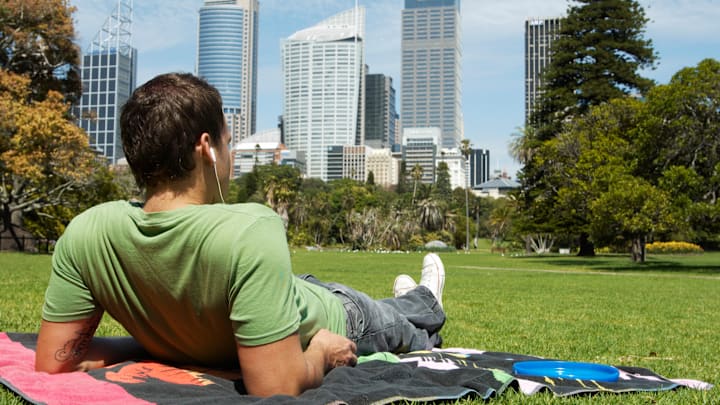
Sydney, Australia, officially claims the title of the world’s most introvert-friendly hub. With a population density of just 441 people per square kilometer, it’s a global city that doesn't actually feel like a crowded elevator. Despite its size, the city maintains a peaceful equilibrium through its accessible coastal parks, beaches, and moderate traffic.
Another Aussie mainstay, Melbourne, follows closely behind. While it’s slightly larger than Sydney, it maintains a steady, predictable urban rhythm. Even though the city is famous for its bustling coffee culture, the streets manage to stay active without tipping over into full-blown sensory overload.
Surprisingly, Nashville rounds out the top three as the unofficial U.S. sanctuary for introverts with a "Nightmare Score" of just four. While "Music City" might sound loud on paper, it stands out for its unique neighborhood-centric layout. Unlike the concrete canyons of New York City or Mumbai, Nashville offers over 15,000 acres of public parks and greenways where you can actually find a pocket of silence. It’s a city that lets you dip into the neon-soaked action on Broadway when you’re feeling brave, then vanish into a quiet neighborhood the second you’re done.
Worst Cities to Be an Introvert
Rank | City | Noise & Light Pollution | Tourist-to-Resident Ratio | Introvert Nightmare Score |
|---|---|---|---|---|
1 | Mumbai | 69.6 | 1 | 100 |
2 | Paris | 58.6 | 9 | 75 |
3 | Barcelona | 63.1 | 4 | 75 |
4 | New York City | 69.1 | 2 | 61 |
5 | Venice | 59.1 | 21 | 60 |
Not all cities roll out the welcome mat for the quiet-inclined. At the bottom of the list are the world’s most restless metros, where solitude is a scarce resource. Between the unblinking street culture and the crushing weight of tourism, these cities don't just ask for your attention; they demand it, 24 hours a day.
Statistically speaking, Mumbai is the hardest place on Earth to actually be alone. With an extremely high density of over 20,000 people per square kilometer and some of the noisiest streets in the world, the city rarely offers a "mute" button. Between the lack of green space and an average household size of 4.6 people, true quiet isn't just rare; it's practically a luxury.
Landing the number two spot is Paris, a city that proves beauty often comes with a crowd. Paris is world-renowned for its charm, but it’s hard to feel like the main character of your story when you’re being elbowed by nine tourists per second. While the city is a masterpiece of culture, its combination of dense housing and a fast-paced social scene means your battery will likely be depleted before you even reach the Louvre.
Barcelona ties with Paris for second place with a “Nightmare Score” of 75, thanks to its relentless street culture. With over 600 cafes per district and a tourist population four times larger than its actual residency, the city is in a state of constant motion. If you’re looking for a quiet walk where you won't be shoved by a sightseer, you might be looking for a long time.
"The City That Never Sleeps" rounds out the list. While roughly half as dense as Mumbai, New York City compensates with a relentless auditory assault: think sirens, construction, and the localized sport of car-honking. Throw in some of the world's worst traffic congestion, plus 11,000 people per neighborhood (and what feels like just as many bars, restaurants, and cafes), and you have a city that would turn many introverts into permanent shut-ins.
The Hidden Cost of Constant Crowds

It’s easy to dismiss these rankings as first-world problems for the shy, but the biological impact is real. As the CEO of JB.com noted in the report, "Introverts aren't avoiding people because they're antisocial. It's more about avoiding overstimulation."
For introverts, a lack of personal space and a nonstop soundtrack of city sounds can trigger an internal alarm that’s hard to shut off. This constant state of high alert is why many people come home from a simple office day feeling physically exhausted. While extroverts get a boost from the buzz of a city, introverts are essentially spending their energy just to survive it. It’s the difference between taking a relaxing stroll and being asked to sprint a marathon every time you leave your apartment.
So, if you find yourself feeling chronically burnt out, it might not be your job or your lifestyle—it might just be your city.