%20%20--%3E%0A%3Csvg%20version%3D%221.1%22%20id%3D%22Layer_1%22%20xmlns%3D%22http%3A%2F%2Fwww.w3.org%2F2000%2Fsvg%22%20xmlns%3Axlink%3D%22http%3A%2F%2Fwww.w3.org%2F1999%2Fxlink%22%20x%3D%220px%22%20y%3D%220px%22%0A%09%20viewBox%3D%220%200%20684.6%2068.1%22%20style%3D%22enable-background%3Anew%200%200%20684.6%2068.1%3B%22%20xml%3Aspace%3D%22preserve%22%3E%0A%3Cg%3E%0A%09%3Cpath%20d%3D%22M444.1%2C29.3h-17.4v14.5h17.4V29.3z%20M36.4%2C68.1l29.3-50.8V0H50.4L32.9%2C36.8L15.5%2C0H0v68.1h16.7V45.8l12.4%2C22.3H36.4z%0A%09%09%20M49.1%2C68.1h16.6V23.4L49.1%2C52.1V68.1z%20M76.6%2C68.1h45V53.8H93.3V41.6h21V27.1h-21V14.8h28.3V0.1h-45V68.1z%20M175.6%2C68.1h17.3v-68%0A%09%09h-16.5v40.3L150%2C0.1h-17.6v68h16.7V27.7L175.6%2C68.1z%20M235.8%2C14.8h15.4V0.1h-47.4v14.7H219v53.2h16.8V14.8z%20M290.3%2C45.9h-17.1%0A%09%09l7.5-15.6h2L290.3%2C45.9z%20M298.7%2C68.1h18l-32.2-68h-5.7l-32%2C68h18l3.3-7.1h27.1L298.7%2C68.1z%20M325.2%2C68.1h46.2V53.8h-29.6V0.1h-16.7%0A%09%09V68.1z%20M423.7%2C14.8h27.2V0.1H407v68h16.7V14.8z%20M462%2C68.1h46.2V53.8h-29.6V0.1H462V68.1z%20M564.8%2C34.1c0%2C10.7-7.2%2C19.2-18.5%2C19.2%0A%09%09c-11.4%2C0-18.5-8.5-18.5-19.2s7.1-19.2%2C18.5-19.2C557.6%2C14.9%2C564.8%2C23.4%2C564.8%2C34.1%20M580.6%2C34.1c0-19-14.2-34-34.3-34%0A%09%09c-20.2%2C0-34.3%2C15-34.3%2C34c0%2C19%2C14.1%2C34%2C34.3%2C34C566.4%2C68.1%2C580.6%2C53.1%2C580.6%2C34.1%20M604.8%2C20.5c0-4.1%2C3.3-6.2%2C6.7-6.2%0A%09%09c4.4%2C0%2C6.6%2C3%2C6.6%2C6.6h14.7C631.8%2C9.1%2C625.1%2C0.1%2C611%2C0.1c-12%2C0-21.7%2C9.3-21.7%2C20.6c0%2C10.9%2C5.9%2C15.9%2C16.7%2C19.8%0A%09%09c5.2%2C1.8%2C11.5%2C3.2%2C11.5%2C8c0%2C3.3-2.4%2C5.5-6.4%2C5.5c-3.6%2C0-6.6-3-6.6-6.7h-15.2c0%2C11.5%2C7.9%2C20.8%2C21.8%2C20.8c12%2C0%2C21.6-9.3%2C21.6-20.6%0A%09%09c0-10-5.3-16.4-16.7-19.8C610.6%2C26.1%2C604.8%2C25.3%2C604.8%2C20.5%20M670%2C20.9h14.7C683.8%2C9.1%2C677.1%2C0.1%2C663%2C0.1c-12%2C0-21.7%2C9.3-21.7%2C20.6%0A%09%09c0%2C10.9%2C5.9%2C15.9%2C16.7%2C19.8c5.2%2C1.8%2C11.5%2C3.2%2C11.5%2C8c0%2C3.3-2.4%2C5.5-6.4%2C5.5c-3.6%2C0-6.6-3-6.6-6.7h-15.2c0%2C11.5%2C7.9%2C20.8%2C21.8%2C20.8%0A%09%09c12%2C0%2C21.6-9.3%2C21.6-20.6c0-10-5.3-16.4-16.7-19.8c-5.4-1.6-11.3-2.4-11.3-7.2c0-4.1%2C3.3-6.2%2C6.7-6.2C667.7%2C14.4%2C670%2C17.3%2C670%2C20.9%0A%09%09%22%2F%3E%0A%3C%2Fg%3E%0A%3C%2Fsvg%3E%0A)

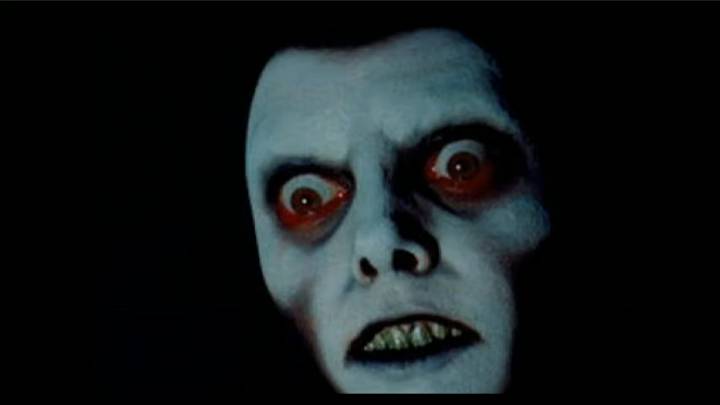
The 1970s contained a massive shift in the DNA of horror. For a few decades before this, the genre had a bit of a preference for gothic castles with aristocratic vampires and classic monsters, and more than a decent bit of theatrics.
But during this decade, the real-world anxieties began to be reflected in the more grounded settings of these movies. Filmmakers seemed much more interested in telling the stories of ordinary people breaking down under terrifying situations that they couldn’t quite understand or control.
This is also when the foundations for today’s slasher films were laid, with movies like The Texas Chain Saw Massacre and Halloween introducing us to unstoppable, masked killers that continue to play a huge role in pop culture.
These ten horror movies represent the absolute peak of this decade.
- The Bird with the Crystal Plumage (1970)
- Duel (1971)
- The Last House on the Left (1972)
- The Exorcist (1973)
- The Texas Chain Saw Massacre (1974)
- Jaws (1975)
- Carrie (1976)
- Eraserhead (1977)
- Halloween (1978)
- Alien (1979)
The Bird with the Crystal Plumage (1970)
For The Bird with the Crystal Plumage, director Dario Argento takes what could’ve been a straightforward enough murder mystery and turns it into something a bit more dreamlike. The setup is simple enough: an American writer in Rome witnesses an attack in an art gallery and becomes obsessed with figuring out what he actually saw.
But the movie constantly plays tricks with elements like memory and perception, not to mention certain visual details hidden in plain sight that only make sense on rewatches.
What really stands out is how beautiful the whole movie looks. Both murders and nighttime city streets are shot with rich colors and carefully framed compositions that somehow make everything feel elegant and also unsettling at the same time. Even scenes where people are just walking through hallways have some sort of tension lingering over them.
Duel (1971)
Steven Spielberg’s feature-length directorial debut, Duel, has an ordinary salesman driving through the Mojave Desert when an old tanker truck suddenly starts harassing him on the highway. At first, it feels petty and almost funny before turning into psychological torture.
The smartest thing in the movie is that it barely shows the driver of the opposing truck. You see glimpses here and there, such as his arm or boots, but never a full face. That makes the truck feel less like a vehicle and more like a predator.
It’s also impressive how confident the direction already feels for an early Spielberg film. This was originally made as a quick movie for television, but the execution was so brilliant and tense that it earned an expanded theatrical release.
The Last House on the Left (1972)
Wes Craven’s directorial debut still holds a notorious reputation today. The Last House on the Left follows two teenage girls who head into the city for a rock concert, but unfortunately get kidnapped by a gang of escaped convicts and are subjected to torture in the woods.
After this, their parents discover what happened and decide to take revenge themselves—although the revenge never really feels heroic or satisfying. The movie clearly wants the audience to feel uncomfortable with everybody involved by the end.
The movie was shot on cheap 16mm film with a documentary-style approach, which gave it a realistic texture that makes it feel like you're watching actual found footage.
The Exorcist (1973)
The Exorcist became a massive cultural phenomenon, causing literal faintings in theaters and becoming the first horror film to ever be nominated for a Best Picture Academy Award.
The story tracks the demonic possession of a twelve-year-old girl, and her mother’s desperate attempt to save her through an ancient rite performed by two Catholic priests.
The film takes its time to explore heavy philosophical themes like the nature of faith and the limits of modern science at that time. The first hour is presented as a realistic medical drama, but when the supernatural elements finally take over, they feel completely grounded and very real because you've spent so much time with these characters.
The Texas Chain Saw Massacre (1974)
The Texas Chain Saw Massacre is still one of the most violent movies ever made, but the interesting thing about it is that a lot of the violence is actually implied rather than explicitly shown.
The story follows a group of five road-trippers through rural Texas who run out of gas and wander into the home of a cannibalistic family of slaughterhouse workers, including the mask-wearing Leatherface.
Instead of a traditional musical score, the movie contains an uncomfortable auditory experience thanks to its use of industrial noises, scraping metal, and, of course, the shrieking of a real chainsaw. This is yet another movie that was shot on cheap 16mm film under natural, harsh lighting, so that the movie looks and feels rough.
Jaws (1975)
Would it be fair to say that Jaws fundamentally changed how people looked at the ocean? The mechanical shark in the movie malfunctioned constantly during filming, and that probably ended up making the movie better.
Since it couldn’t show the shark all the time, there was a need to build suspense through implication instead.
John Williams’ iconic, two-note tracking theme also became the musical shorthand for incoming terror. It’s also worth noting how good the second half becomes once it turns into a character piece aboard the Orca.
Brody, Quint, and Hooper all have completely different personalities, and their interactions carry huge parts of the movie.
Carrie (1976)
For Carrie, Brian De Palma took a Stephen King book about a bullied teenage girl with telekinetic powers and elevated it greatly.
One of the things people remember most about the movie is the prom massacre, but the movie spends a long time making you feel sorry for Carrie White before any of that happens.
The movie uses a massive toolkit of cinematic tricks to create a certain vibe that slowly builds toward tragedy, like the use of split-screen editing, lingering slow motion, and split-diopter shots.
Eraserhead (1977)
David Lynch’s debut feature was a surrealist, black-and-white dive straight into an industrial nightmare. The film follows a quiet man navigating a bleak wasteland of factories, accompanied by a constantly crying baby he’s forced to care for. Trying to explain Eraserhead in a normal way is basically impossible because it operates very much on nightmare logic.
Beneath the rather bizarre imagery, the film is a relatable and anxiety-ridden look at the loss of personal freedom and the responsibilities of early fatherhood.
The film pretty much birthed the modern "midnight movie" phenomenon, which also helped revitalize independent cinema by attracting crowds who wanted something completely outside the Hollywood mainstream.
It took Lynch five long years to piece the movie together on a tiny budget, which included manually building the strange sets and creating the incredible scraping sound design himself.
It's also culturally, historically, and aesthetically significant enough that it was eventually selected for preservation by the United States National Film Registry.
Halloween (1978)
Halloween was made on a micro-budget of around $300,000, and it greatly contributed to the blueprint for the modern slasher genre. Director John Carpenter stripped away any complex motivation for Michael Myers and turned him into an abstract and emotionless force of pure evil.
Funnily enough, the blank face of the killer was famously made from a cheap William Shatner Captain Kirk mask that the art director bought at a local costume shop and then spray-painted white, and widened the eyeholes.
That rather simple choice created one of the most iconic and terrifying faces in its genre. Combined with Carpenter’s own minimalist synthesizer score, the movie builds an unmatched atmosphere of stalking dread without needing massive amounts of gore or violence.
Alien (1979)
Lastly, Ridley Scott closed out the decade by taking the slasher formula and setting it in deep space. The true antagonist of Alien (and its sequels/spin-offs) isn't just the extraterrestrial monster, but also the ruthless Weyland-Yutani Corporation.
Sigourney Weaver’s Ellen Ripley also greatly subverted traditional horror hero tropes by relying on intellect and survival instinct rather than brute strength to survive, which eventually led to her becoming one of the greatest protagonists in sci-fi.